

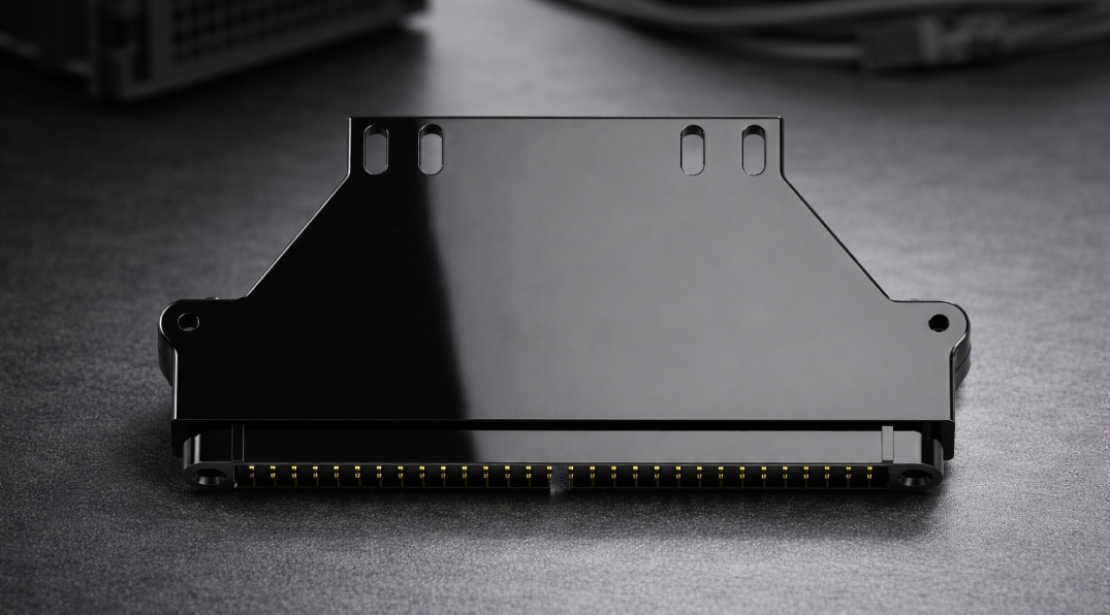
You are probably already familiar with Nicomatic’s 3D-printing capabilities, often associated with prototyping or assembly support tooling. Today, we are taking things a step further by integrating additive manufacturing directly into the interconnect function for your serial production requirements.
We now offer 3D-printed backshells, protective caps and accessories, designed for long-term integration into your systems.
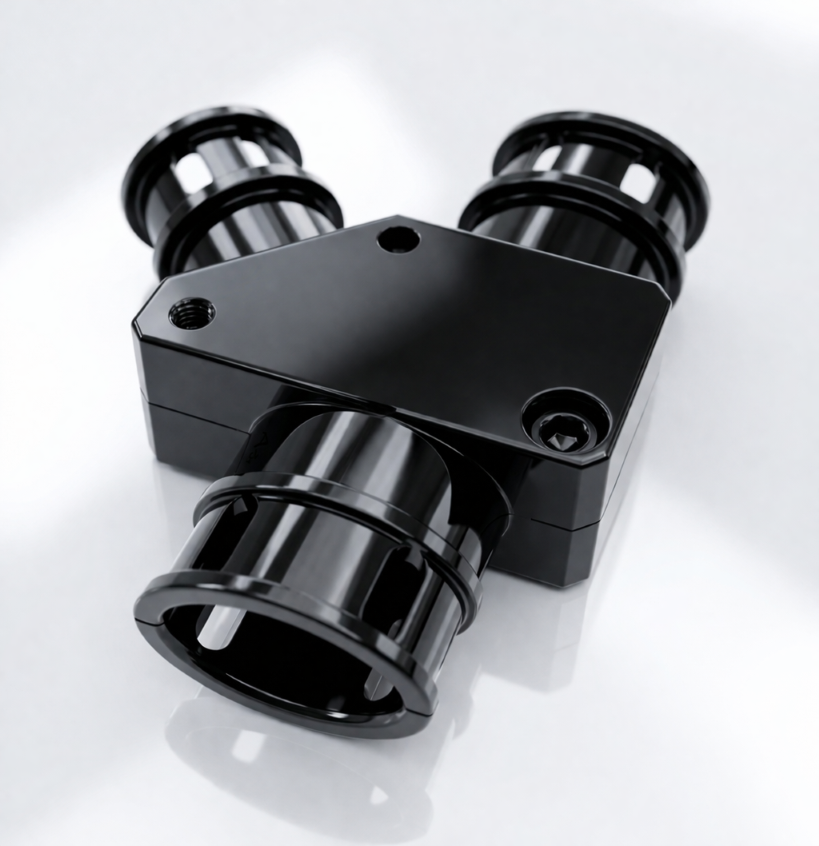 | 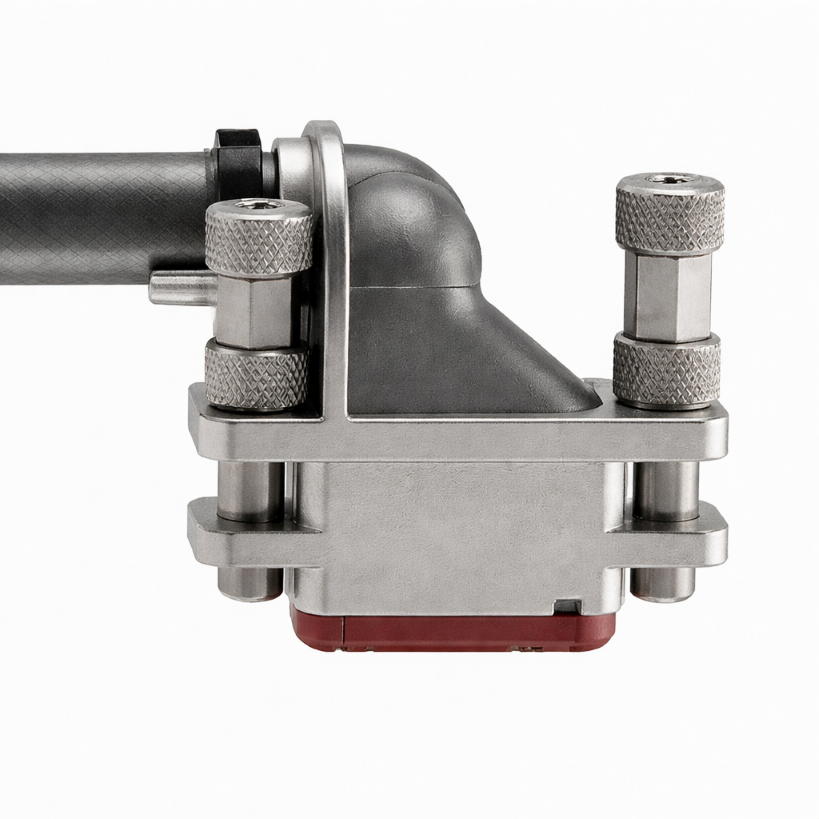 | 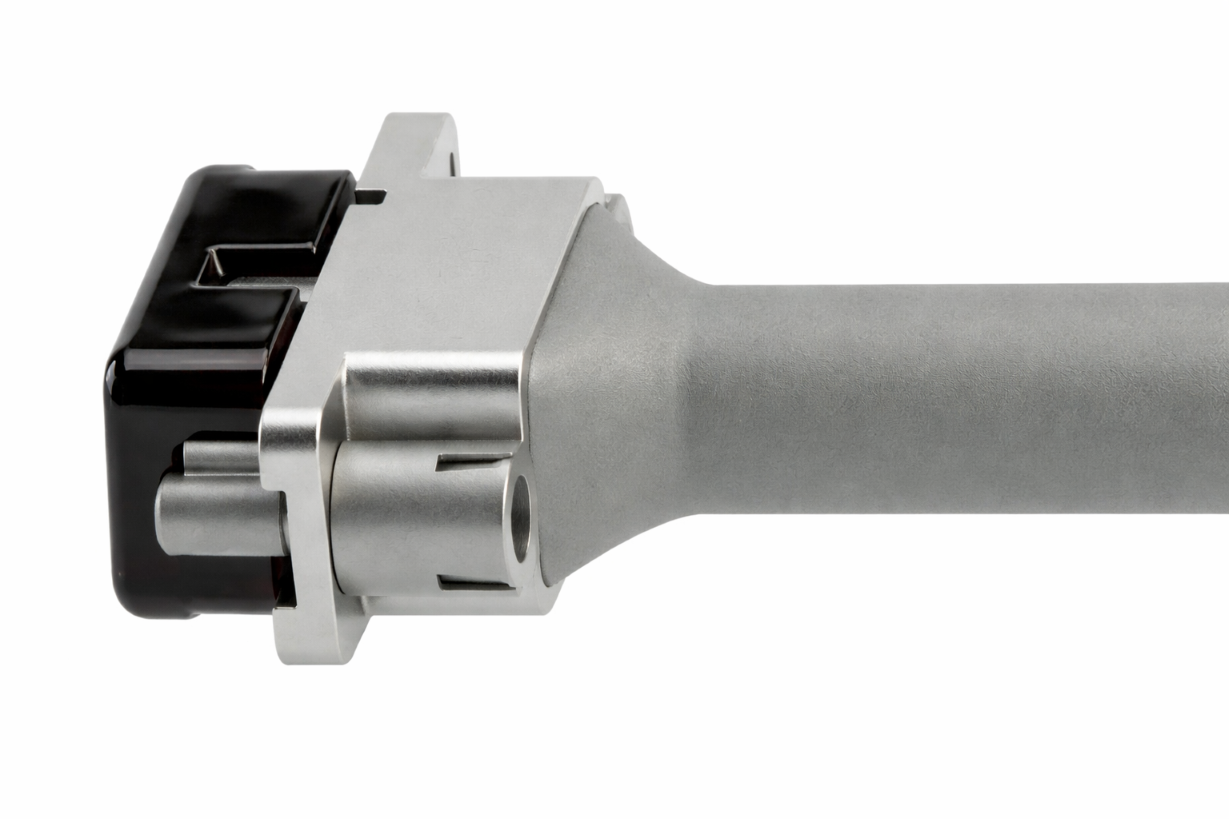 |
So why consider this option instead of traditionally machined aluminium? Here are the key technical points to help guide your decision.
1. Technology maturity: from mock-up to serial production
Forget the rough surface finish often associated with standard FDM printing. To meet the demands of serial production, we have invested in SLA technology (stereolithography). This process enables us to manufacture parts with excellent resolution and a smooth, professional surface finish, ensuring the repeatability and quality required for production batches, without the tooling costs associated with injection moulding or machining.
2. Technical materials that meet your constraints, including ESD
The evolution of our processes also comes with a higher level of performance in the polymers we use. Beyond resins that combine mechanical strength and flexibility, we are also able to manufacture parts using specific materials. If your environment requires it, for example, we can print your backshells and accessories in ESD-safe material, helping to protect your sensitive equipment against electrostatic discharge.
3.Design freedom: solving your integration challenges
Machining comes with geometric limitations that 3D printing can overcome. If your equipment design requires a 45° cable outlet, an ultra-tight bend radius, or a complex geometry to avoid a mechanical obstacle inside the enclosure, a printed backshell becomes a highly relevant solution. You design the exact part you need, and we manufacture it in production quantities.
4. The weight advantage (SWaP)
In most of your projects, every gram matters. Replacing a metal backshell or protective cap with its technical polymer equivalent can significantly reduce the overall weight of the harness. You gain a lighter solution while maintaining excellent mechanical protection and effective cable retention.
5. The technical trade-off: EMI shielding vs mechanical protection
Let us stay pragmatic when it comes to architecture choices:
- If EMI shielding is critical: a metal backshell remains the essential solution.
- If your need is primarily mechanical or environmental (guiding, retention, dust sealing, ESD protection): a 3D-printed backshell is a serious alternative — lighter, faster to deploy, and equally reliable over time.
In summary, 3D printing is no longer limited to prototyping. It is now a practical lever for weight optimisation and greater agility in complex architectures, directly applicable to your serial production.