

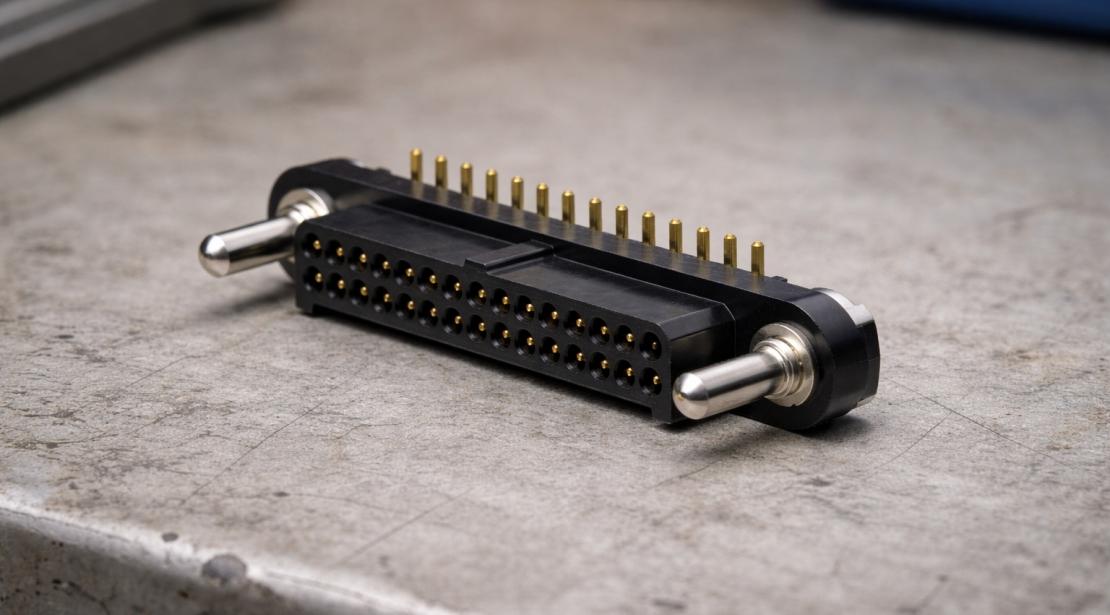
In the design of embedded electronic architectures, the printed circuit board (PCB) assembly stage is often examined very closely. Cycle times, thermal constraints related to soldering, and manual operations all affect the productivity of your manufacturing lines.
To optimize your processes while ensuring high reliability in harsh environments, choosing the right integration method is essential. Here is how our Press-Fit (solderless) technology and our SMT mounting features (surface-mount technology) help to make the production of your electronic boards safer and faster.
1. Press-Fit Technology: The Solderless PCB Connector
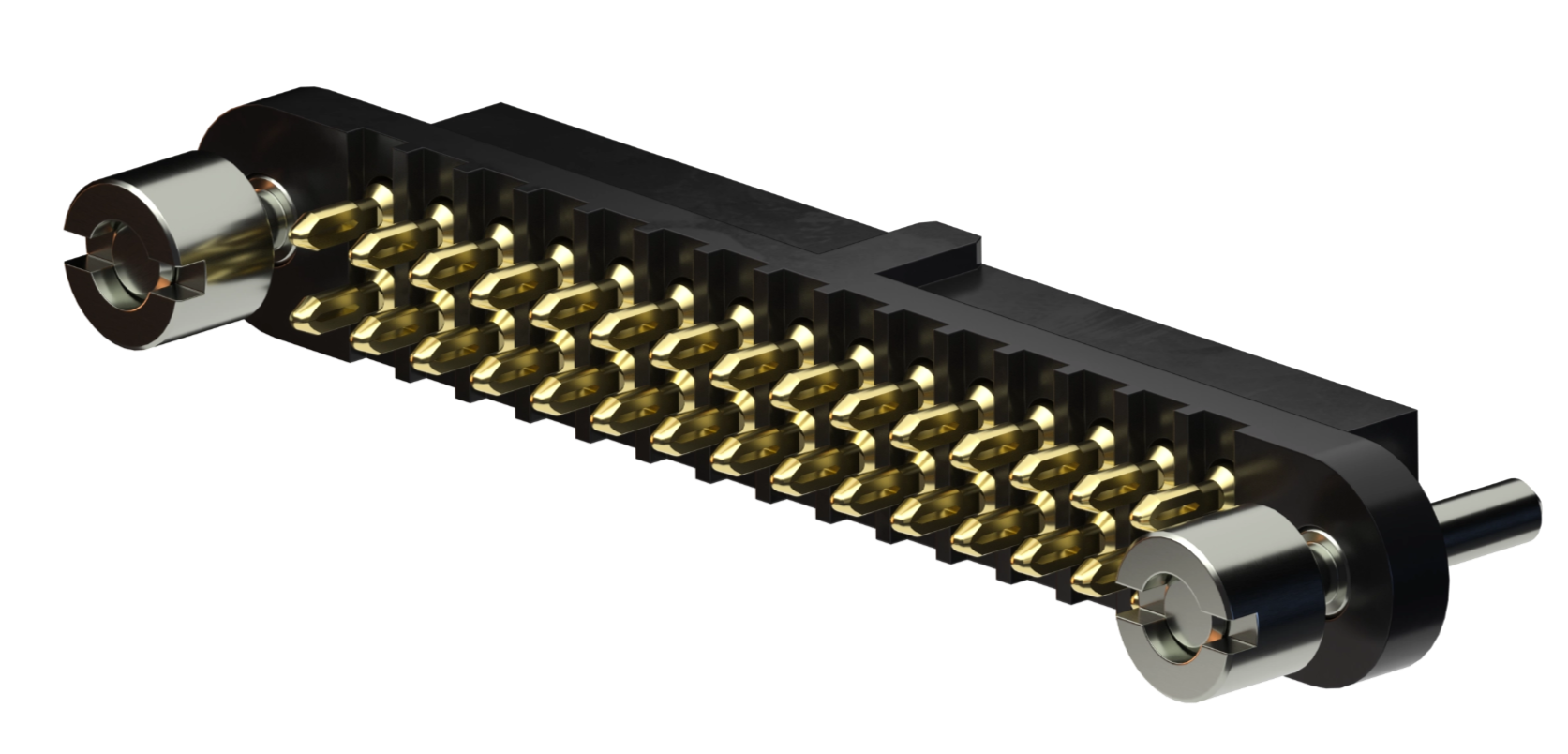 | Soldering a connector places thermal stress on the printed circuit board and requires time-consuming quality control steps (X-ray inspection, cleaning). To overcome these constraints, our modular CMM range (2 mm pitch) is available with Press-Fit contacts. |
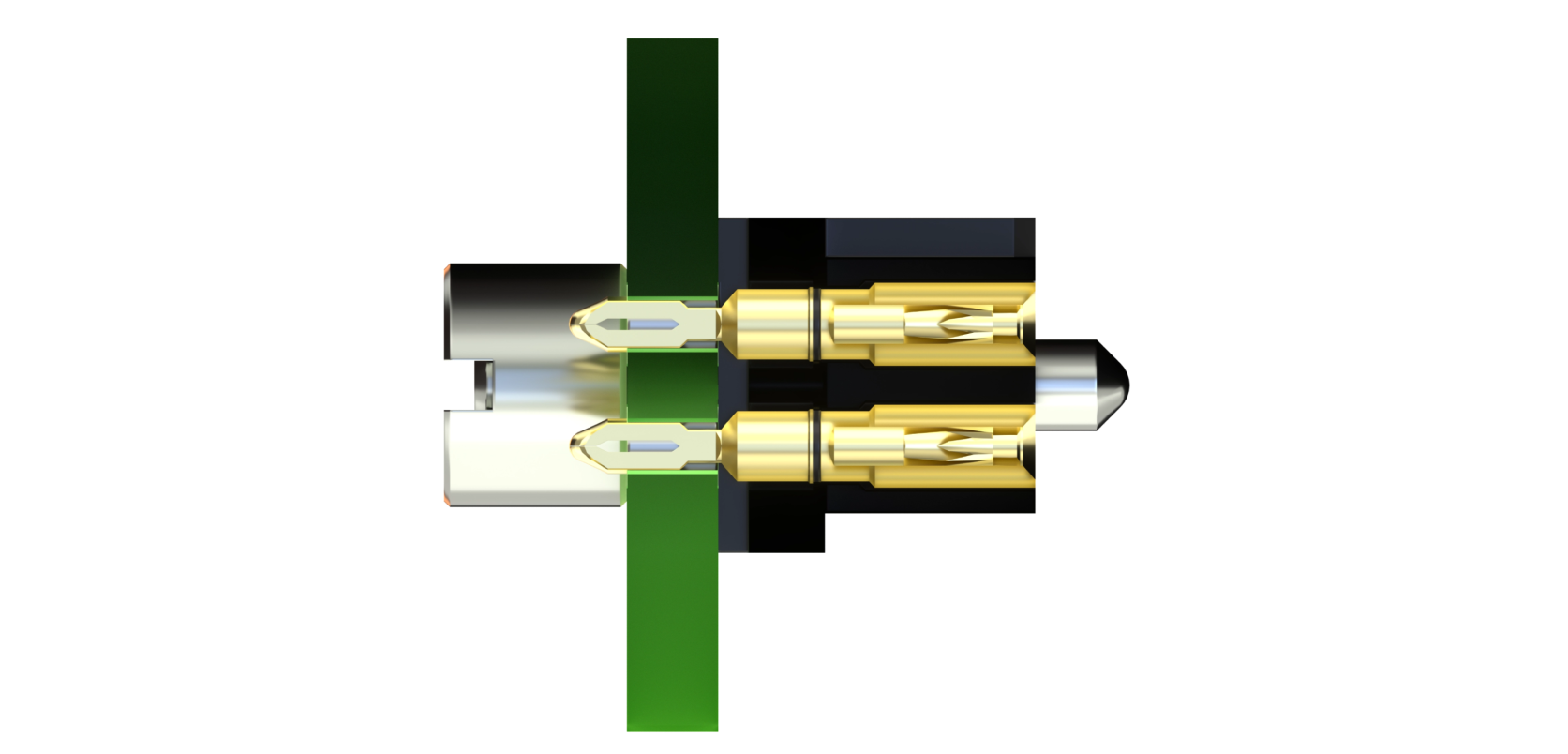 | The press-in principle: The connector contacts are directly pressed into the metallized holes (vias) of the PCB. This cold mechanical interconnection ensures excellent conductivity without requiring a single drop of solder alloy. (Option available in female version on our CMM 100, 200, 220, and 320 series.) |
👉Configure your CMM Press-Fit connector now!
2. SMT Mounting Features: Automating the Robustness of Your Micro-Connectors
If your priority is miniaturization (SWaP design), our EMM micro-connector (1.27 mm pitch) offers 20% space savings compared with a standard Micro-D, while meeting the requirements of the MIL-83513 standard.
Its key production advantage? Mounting hardware specifically designed for surface-mount technology (SMT).
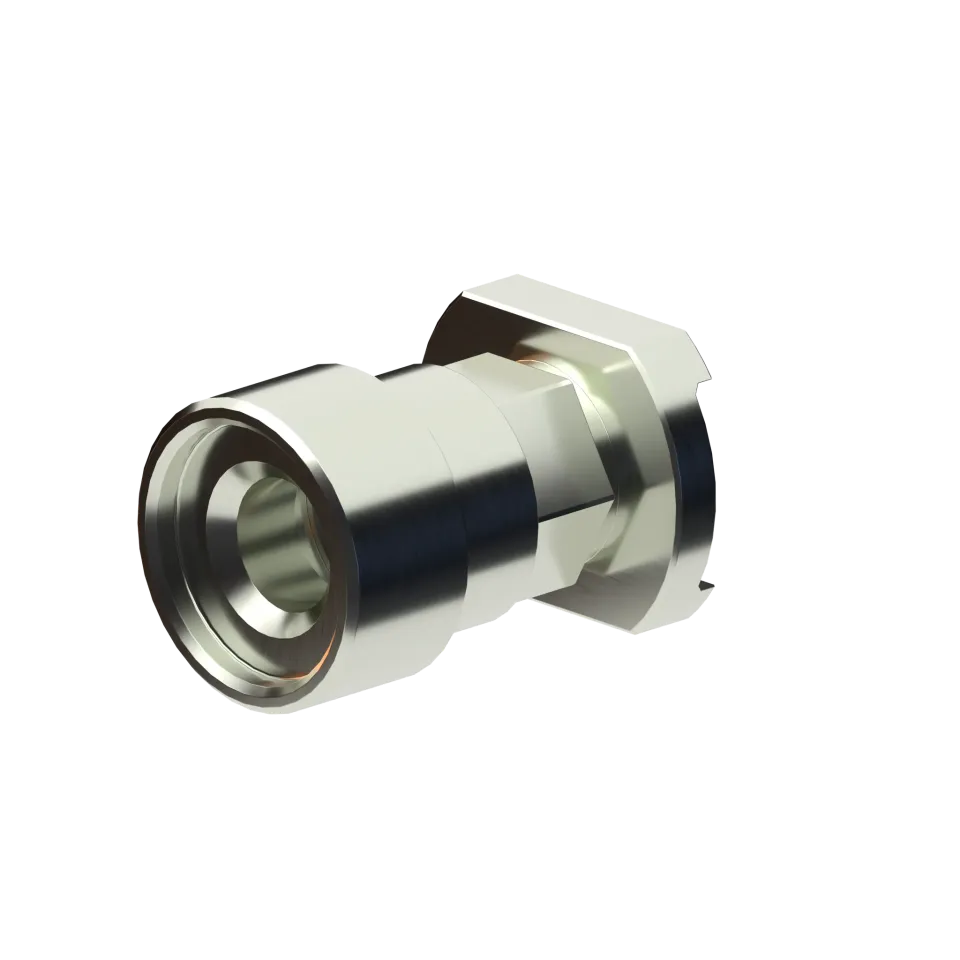
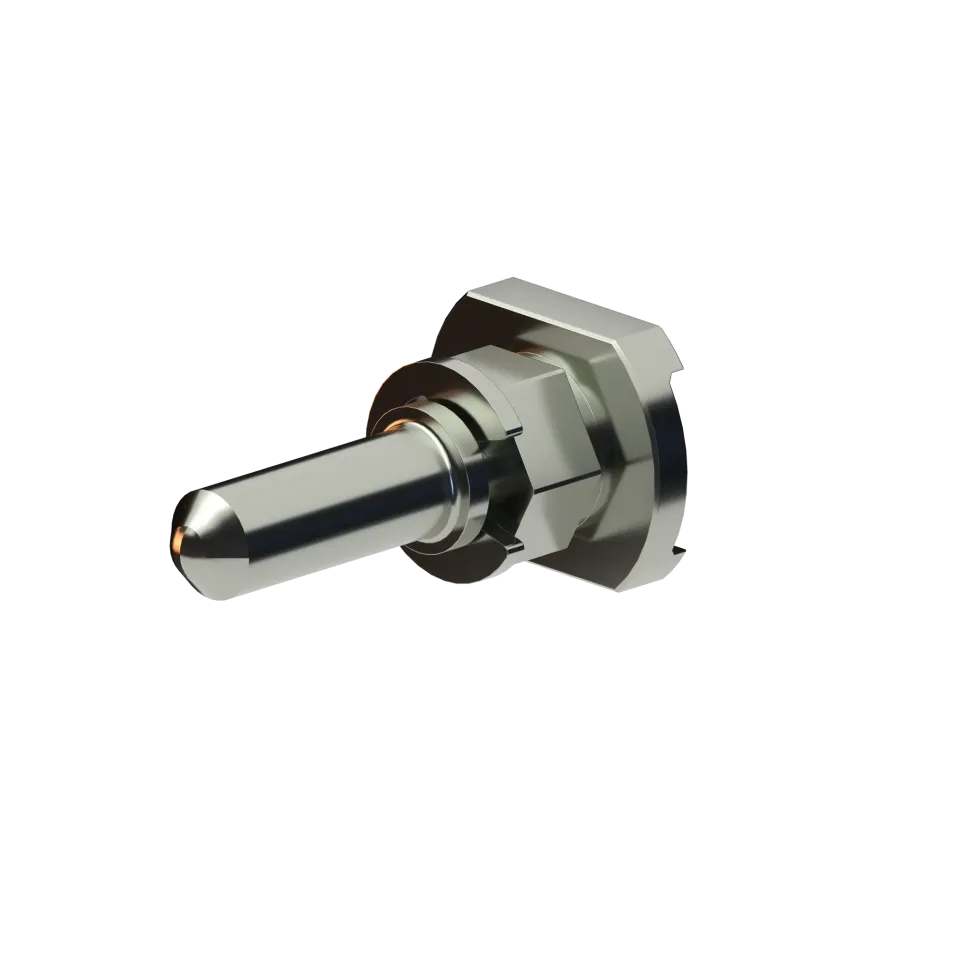
- Pick-and-place compatibility: Designed as a true SMT component, the EMM integrates seamlessly into automated assembly lines, reducing manual handling costs and processing time.
- Elimination of mechanical fastening: Conventional locking hardware (screw/nut) requires human intervention at the end of the line. Our SMT mounting tabs are soldered simultaneously with the contacts during the reflow process.
- Mechanical strength : Thanks to the Pin-in-Paste soldering process (inserting mounting pins into holes filled with solder paste before reflow), PCB anchoring provides outstanding shear resistance. The connector can therefore withstand high vibration and pull-out forces without requiring any additional hardware.
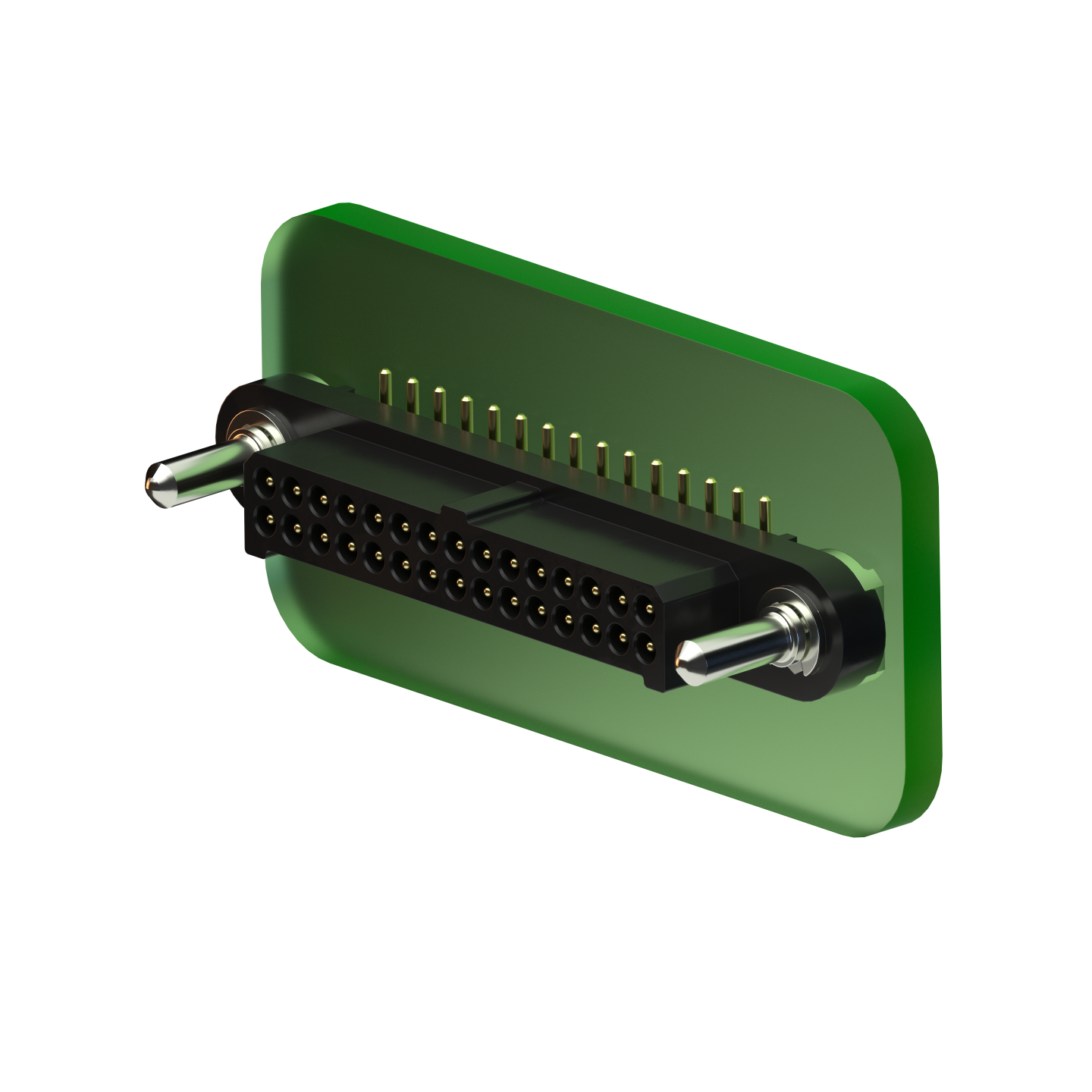
Whether you are looking to eliminate soldering entirely from your process (Press-Fit) or fully automate component placement (Full SMT / Pick & Place), connector selection is a direct lever for industrial optimization.